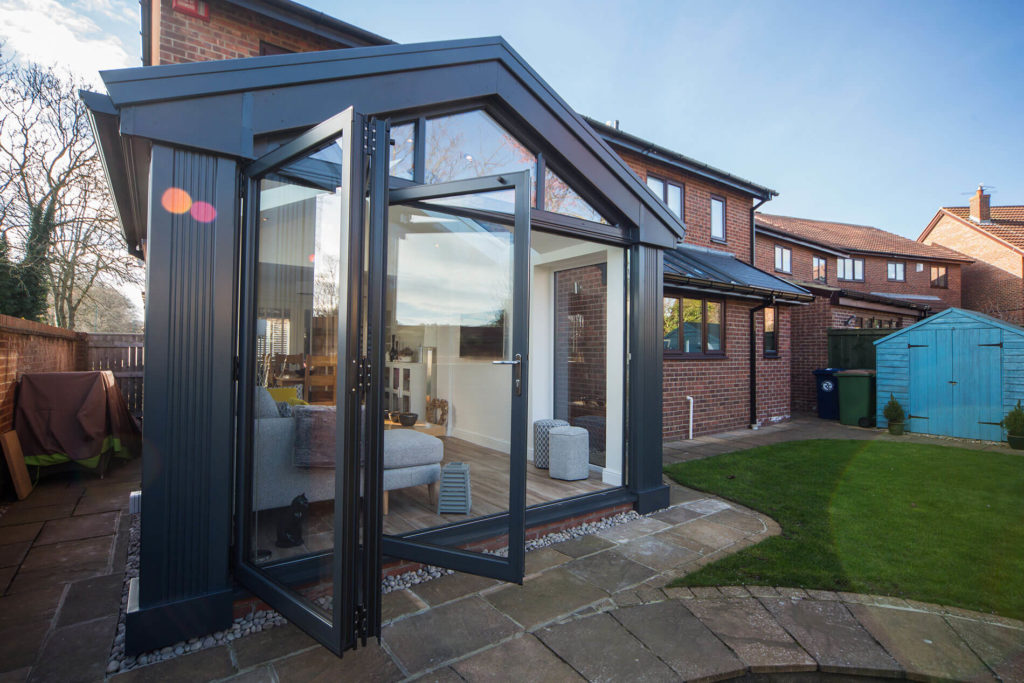
When planning a home extension, many homeowners wonder: what’s the difference between a conservatory and an orangery? Both are excellent ways to add light, space, and value to your home, but their design, structure, and feel are distinct. Understanding these differences will help you choose the right option for your property and lifestyle.
What Is a Conservatory?
A conservatory is a structure designed to maximise natural light, traditionally with a lightweight frame and extensive glazing. Modern conservatories often feature large glass panels, slimline frames, and either a fully glazed or tiled roof. The main goal of a conservatory is to create a bright, airy space that connects seamlessly with the garden.
With advances in insulated roof systems and energy-efficient glazing, contemporary conservatories can now be used comfortably year-round. They are ideal for sunrooms, dining areas, or lounge spaces where natural light is a priority. Conservatories are generally quicker to install and more cost-effective than larger extensions.
What Is an Orangery?
An orangery offers a more substantial and permanent feel. Originally designed to house citrus trees in the 17th century, modern orangeries combine brick or masonry walls with glazed elements. They often feature a flat roof with a central glazed lantern, providing light while maintaining a solid structural presence.
The interior of an orangery typically features a plastered ceiling, giving the space a seamless, room-like finish. Orangeries are designed to integrate more fully with the main house, blending with existing architecture and offering a premium, extension-style aesthetic.
Structural Differences Between Conservatories and Orangeries
The primary distinction lies in the balance between glass and solid elements. Conservatories prioritise glazing, creating a light and transparent structure that maximises daylight and garden views. Orangeries, by contrast, use more brickwork or structural support, giving a stronger, room-like appearance and a sense of permanence.
This difference also affects insulation. Orangeries typically offer better thermal performance, but modern conservatories with tiled or solid roofs can achieve comparable energy efficiency, ensuring comfortable year-round use.
Aesthetic and Style Considerations
If your goal is a bright, airy space with uninterrupted views of your garden, a conservatory is likely the better choice. It is ideal for contemporary or traditional homes where openness is important.
For homeowners seeking a more integrated, architectural look, an orangery offers a luxurious, extension-like feel. Its brick or masonry elements allow it to blend naturally with existing structures, while the internal plastered ceiling adds elegance and a sense of solidity.
Cost and Value
Conservatories are generally more budget-friendly due to lighter construction and simpler design. Orangeries, with their additional structural requirements and materials, typically come at a higher cost.
Both options, however, can increase property value when installed professionally. The key factor is creating a comfortable, year-round space. Upgrading to a modern roof system — whether tiled, solid, or glazed — can further enhance energy efficiency, usability, and resale appeal.
Which Option Is Right for Your Home?
Choose a conservatory if your priorities are maximum natural light, garden views, and cost efficiency. Opt for an orangery if you want a more substantial, integrated extension with a luxurious feel.
Ultimately, the decision depends on your home’s architecture, your budget, and how you plan to use the space. Both conservatories and orangeries are excellent investments, transforming underused areas into bright, comfortable rooms that can be enjoyed year-round.